

How To Install Frameless Glass Stair Balustrade Systems: A Step-By-Step Guide
Leave a message

How to Install Frameless Glass Stair Balustrade Systems: A Step-by-Step Guide
Introduction
Frameless glass stair balustrade systems are a stunning choice for modern and contemporary homes, offering a sleek, minimalist appearance that enhances both safety and aesthetics. These systems are ideal for staircases as they provide an unobstructed view, allowing natural light to flow through and making the space appear larger. Installing a frameless glass stair balustrade system requires careful planning, precise measurements, and attention to detail. This comprehensive guide will take you through the entire installation process, from initial planning to final adjustments.
1. Understanding Frameless Glass Stair Balustrade Systems
1.1 Components of Frameless Glass Stair Balustrade Systems
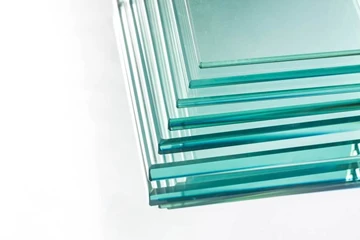
● Glass Panels: The primary component, is typically made from tempered or laminated glass to ensure strength and safety.
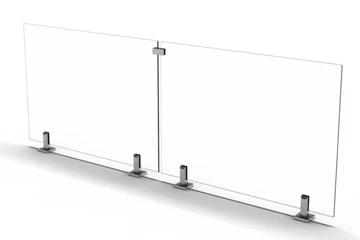
● Mounting Systems: Includes base shoes, spigots, clamps, or channels to secure the glass panels in place.
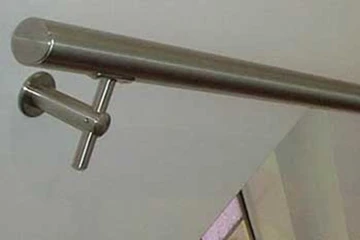
● Handrails (Optional): Often added for extra safety and aesthetic appeal.
● Hardware: Includes bolts, screws, anchors, and other fasteners necessary for installation.

1.2 Types of Mounting Systems
● Base Shoe Systems: Recessed or surface-mounted channels that hold the bottom edge of the glass panels.

● Spigots: Small fixtures that support the glass panels at various intervals.

● Clamps and Brackets: Attach to the edges of the glass panels for additional support.

● Channel Systems: Recessed or surface-mounted channels that secure the glass panels along their edges.

1.3 Safety Considerations
● Building Codes: Ensure compliance with local building codes and safety standards.
● Glass Type: Use tempered or laminated safety glass.
● Load Testing: Verify that the system can withstand the required loads and forces.
2. Planning and Preparation
2.1 Site Assessment
● Measure the Staircase: Accurately measure the dimensions of the staircase, including the width, height, and the location of each step.
● Check for Level Surfaces: Ensure that the floor and wall surfaces where the balustrade will be mounted are level and stable.
● Identify Potential Obstacles: Take note of any obstacles such as handrails, columns, or uneven surfaces that might affect the installation.
2.2 Selecting Materials
● Glass Panels: Choose the appropriate type, thickness, and size of glass panels. For staircases, consider panels that are thick enough to handle the load and provide stability.
● Mounting System: Select the type of mounting system based on the staircase design and aesthetic preferences.
● Hardware: Ensure all necessary hardware components are included in your order.
2.3 Tools and Equipment
● Measuring Tape: For accurate measurements.
● Level: To ensure level installation.
● Drill: For drilling holes in the mounting surfaces.
● Screwdriver: For securing screws and bolts.
● Rubber Mallet: For gently positioning glass panels.
● Sealant and Adhesive: For securing and sealing joints.
● Safety Gear: Gloves, goggles, and other protective equipment.
3. Preparing for Installation
3.1 Marking the Installation Area
● Measure and Mark: Use a measuring tape and chalk to mark the installation area for the base shoes, spigots, clamps, or channels.
● Align the Marks: Ensure that the marks are aligned with the staircase's edge and step locations.
3.2 Preparing the Mounting Surface
● Clean the Surface: Ensure that the surface where the base shoes, spigots, or channels will be mounted is clean and free from debris.
● Check for Stability: Verify that the mounting surface is stable and capable of supporting the balustrade system.
4. Installing Base Shoe Systems
4.1 Recessed Base Shoes
Step 1: Mark the Recess Area
Measure and Mark: Use a measuring tape and chalk to mark the area where the recess for the base shoe will be cut.
Step 2: Cut the Recess
Cut the Floor: Use a saw or a specialized cutting tool to create a recess in the floor according to the marked lines.
Clean the Recess: Remove any debris and clean the recess thoroughly.
Step 3: Install the Base Shoe
Position the Base Shoe: Place the base shoe into the recess.
Secure the Base Shoe: Use bolts and anchors to secure the base shoe to the floor. Ensure that it is level and properly aligned.
Step 4: Insert the Glass Panels
Apply Sealant: Apply a layer of sealant inside the base shoe to prevent water ingress and ensure a secure fit.
Position the Glass Panels: Carefully insert the glass panels into the base shoe.
Adjust and Secure: Use a rubber mallet to adjust the position of the glass panels as needed. Ensure they are properly aligned and secure.
4.2 Surface-Mounted Base Shoes
Step 1: Mark the Installation Area
Measure and Mark: Use a measuring tape and chalk to mark the installation area for the surface-mounted base shoe.
Step 2: Drill Holes
Drill Holes: Use a drill to create holes in the floor according to the marked positions.
Step 3: Install the Base Shoe
Position the Base Shoe: Place the base shoe on the floor, aligning it with the drilled holes.
Secure the Base Shoe: Use bolts and anchors to secure the base shoe to the floor. Ensure it is level and aligned.
Step 4: Insert the Glass Panels
Apply Sealant: Apply a layer of sealant inside the base shoe.
Position the Glass Panels: Insert the glass panels into the base shoe.
Adjust and Secure: Use a rubber mallet to gently adjust the glass panels. Secure them with additional clamps or brackets if necessary.
5. Installing Spigot Systems
5.1 Positioning the Spigots
Step 1: Mark the Installation Area
Measure and Mark: Use a measuring tape and chalk to mark the positions of the spigots along the staircase.
Step 2: Drill Holes
Drill Holes: Drill holes in the floor according to the marked positions.
5.2 Installing the Spigots
Step 1: Position the Spigots
Align the Spigots: Place the spigots in the drilled holes.
Secure the Spigots: Use bolts and anchors to secure the spigots to the floor. Ensure they are level and properly aligned.
5.3 Installing the Glass Panels
Step 1: Apply Sealant
Apply Sealant: Apply sealant on the edges of the glass panels where they will contact the spigots.
Step 2: Position the Glass Panels
Insert the Glass Panels: Carefully position the glass panels into the spigots.
Adjust and Secure: Use a rubber mallet to adjust the glass panels. Tighten the spigot clamps to secure the panels.
6. Installing Clamps and Brackets
6.1 Positioning the Clamps and Brackets
Step 1: Mark the Installation Area
Measure and Mark: Use a measuring tape and chalk to mark the positions for the clamps or brackets along the staircase.
Step 2: Drill Holes
Drill Holes: Drill holes in the floor or wall according to the marked positions.
6.2 Installing the Clamps and Brackets
Step 1: Position the Clamps or Brackets
Align the Clamps or Brackets: Place the clamps or brackets in the drilled holes.
Secure the Clamps or Brackets: Use bolts and anchors to secure the clamps or brackets. Ensure they are level and aligned.
6.3 Installing the Glass Panels
Step 1: Apply Sealant
Apply Sealant: Apply sealant on the edges of the glass panels where they will contact the clamps or brackets.
Step 2: Position the Glass Panels
Insert the Glass Panels: Carefully position the glass panels into the clamps or brackets.
Adjust and Secure: Use a rubber mallet to adjust the panels. Tighten the clamp screws or bracket fasteners.
7. Installing Channel Systems
7.1 Recessed Channels
Step 1: Mark the Installation Area
Measure and Mark: Use a measuring tape and chalk to mark the area for the recessed channels.
Step 2: Cut the Recess
Cut the Floor or Wall: Use a saw to cut a recess in the floor or wall.
Clean the Recess: Remove debris and clean the recess.
Step 3: Install the Channel
Position the Channel: Place the channel into the recess.
Secure the Channel: Use bolts and anchors to secure the channel. Ensure it is level and aligned.
7.2 Surface-Mounted Channels
Step 1: Mark the Installation Area
Measure and Mark: Use a measuring tape and chalk to mark the area for the surface-mounted channels.
Step 2: Drill Holes
Drill Holes: Drill holes in the floor or wall according to the marked positions.
Step 3: Install the Channel
Position the Channel: Place the channel on the floor or wall.
Secure the Channel: Use bolts and anchors to secure the channel. Ensure it is level.
7.3 Installing the Glass Panels
Step 1: Apply Sealant
Apply Sealant: Apply sealant inside the channel.
Step 2: Position the Glass Panels
Insert the Glass Panels: Position the glass panels into the channel.
Adjust and Secure: Use a rubber mallet to adjust the panels. Secure them with additional clamps or brackets if necessary.
8. Installing Handrails (Optional)
8.1 Selecting Handrails
Material: Choose handrails made from stainless steel, wood, or glass.
Style: Select a style that complements the frameless glass balustrade system.
8.2 Mounting Handrails
Step 1: Mark the Installation Area
Measure and Mark: Use a measuring tape and chalk to mark positions for the handrail brackets.
Step 2: Drill Holes
Drill Holes: Drill holes in the glass panels according to the marked positions.
Step 3: Install the Handrail Brackets
Position the Brackets: Place the brackets on the glass panels.
Secure the Brackets: Use bolts and anchors to secure the brackets.
Step 4: Attach the Handrails
Position the Handrails: Place the handrails on the brackets.
Secure the Handrails: Use screws or clamps to secure the handrails.
9. Final Adjustments and Inspection
9.1 Checking Alignment
Level and Plumb: Use a level to check that all components are level and plumb.
Alignment: Ensure that all glass panels and handrails are properly aligned.
9.2 Tightening Fasteners
Tighten Screws and Bolts: Go through all screws, bolts, and fasteners to ensure they are tight and secure.
Check Stability: Ensure that all glass panels and handrails are stable.
9.3 Applying Sealant
Seal Joints: Apply sealant to all joints and edges.
Clean Excess Sealant: Wipe away any excess sealant.
9.4 Cleaning the Glass
Clean the Glass Panels: Use a glass cleaner and a soft cloth to clean the glass panels.
Inspect for Scratches: Check for any scratches or damage.
10. Maintenance and Care
10.1 Regular Cleaning
Clean Glass Panels: Regularly clean the glass panels with a mild detergent and water.
Avoid Abrasive Cleaners: Do not use abrasive cleaners that can scratch the glass.
10.2 Periodic Inspections
Inspect for Damage: Periodically inspect the glass panels, handrails, and mounting systems for any signs of damage or wear.
Address Issues Promptly: Address any issues such as loose fasteners or damaged glass.
10.3 Professional Maintenance
Professional Inspection: Consider having a professional inspect the system annually.
11. Troubleshooting Common Issues
11.1 Misaligned Glass Panels
Check Installation: Verify that the glass panels and mounting systems are properly aligned.
Adjust Position: Adjust the position of the glass panels as needed.
11.2 Loose Fasteners
Tighten Fasteners: Ensure that all screws, bolts, and anchors are properly tightened.
Check Stability: Ensure that all components are stable and secure.
11.3 Glass Panels Not Fitting
Measure Accurately: Verify that the glass panels are the correct size and shape.
Adjust Mounting Systems: Adjust the mounting systems to accommodate the glass panels.
Installing frameless glass stair balustrade systems requires careful planning, precise measurements, and attention to detail. By following this step-by-step guide, you can successfully install a frameless glass balustrade system that enhances the beauty and functionality of your staircase. Whether you choose base shoe systems, spigots, clamps, or channels, the key is to ensure proper alignment, secure fastening, and regular maintenance. With the right tools, materials, and knowledge, you can achieve a stunning and safe frameless glass balustrade system that complements your home's decor and provides an unobstructed view.
If you are looking for a frameless glass railing, Please do not hesitate to contact us! A great discount for the first 10 people! Email: Zoey@fs-yongsheng.com


