How to Address Safety Concerns with Frameless Glass Balustrade Systems
Leave a message
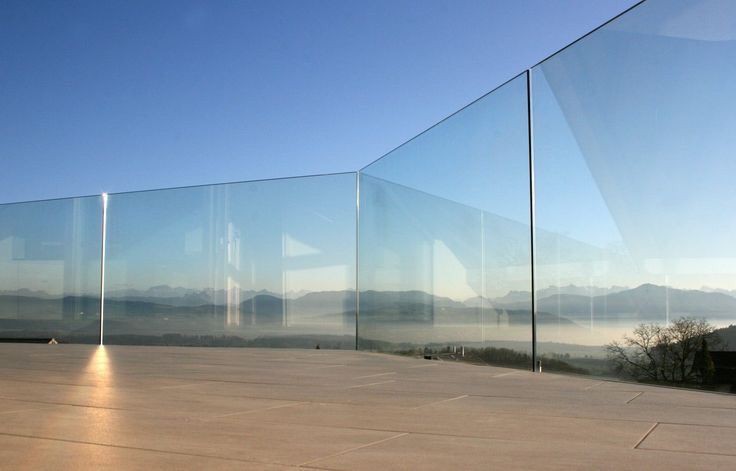
Address Safety Concerns with Frameless Glass Balustrade Systems
Addressing safety concerns with frameless glass balustrade systems is crucial for ensuring that these aesthetically pleasing installations also meet the necessary safety standards. Here's a comprehensive guide on how to address these safety concerns:
1. Understanding Common Safety Concerns
Before addressing the safety concerns, it's important to identify the most common issues associated with frameless glass balustrade systems:
● Glass Breakage: Glass, even when tempered or laminated, can still break under certain conditions.
● Structural Integrity: The strength of the balustrade system to withstand loads such as wind pressure, impacts, and the weight of people leaning against it.
● Fall Protection: Ensuring that the balustrade provides adequate protection to prevent falls, particularly in high-rise buildings or elevated areas.
● Installation Quality: Poor installation practices can lead to instability, loose fittings, or misalignment, all of which can compromise safety.
● Maintenance Issues: Over time, wear and tear, environmental exposure, and lack of maintenance can degrade the safety of the balustrade system.
2. Selecting High-Quality Materials
The choice of materials is foundational to the safety of frameless glass balustrade systems. Address these concerns by:
● Using Laminated and Tempered Glass: Laminated glass with an interlayer of PVB or EVA offers additional protection because the glass will stay intact even if it breaks. Tempered glass is stronger than regular glass and shatters into small, less dangerous pieces if broken.
● Choosing Appropriate Glass Thickness: Ensure that the glass thickness is suitable for the specific application, with thicker glass used in high-stress areas or where additional strength is required.
3. Design Considerations
Designing the balustrade system to address potential safety concerns involves:
● Ensuring Adequate Load-Bearing Capacity: Work with structural engineers to calculate the necessary load-bearing capacity of the glass panels and the supporting structure. This should include considerations for static loads (e.g., the weight of the glass and people leaning) and dynamic loads (e.g., wind, impact).
● Incorporating Redundancy: Design the system with redundancy, such as using laminated glass or multiple attachment points, so that if one component fails, the system remains secure.
● Wind Load Resistance: Especially for outdoor or high-rise installations, ensure the design can withstand high wind pressures. This might require thicker glass, reinforced fittings, or additional support structures.
4. Ensuring Proper Installation
A significant number of safety concerns can be mitigated by focusing on the installation process:
● Hire Qualified Installers: Only qualified and experienced professionals should handle the installation of frameless glass balustrades. They should be familiar with the specific requirements and challenges of working with glass.
● Use Reliable Anchoring Systems: The anchoring system (e.g., spigots, base channels, or standoff fittings) must be secure and capable of supporting the glass panels under all conditions.
● Check for Proper Alignment and Secure Fittings: Ensure that the glass panels are perfectly aligned and that all fittings are securely tightened to prevent movement or detachment over time.
5. Compliance with Building Codes and Standards
Ensuring compliance with local and international building codes is critical:
● Adhere to Height and Load Requirements: Make sure the balustrade meets the minimum height requirements (typically 42 inches or more) and can withstand the specified loads.
● Use Certified Products: Use materials and systems that have been tested and certified to meet relevant standards (e.g., IBC, EN 1991, AS 1288). These certifications indicate that the products have undergone rigorous testing for safety.
● Obtain Necessary Permits: Ensure all required permits and approvals are obtained before installation, particularly for commercial or public installations.
6. Implementing Safety Enhancements
Modern technology and innovations can further enhance the safety of frameless glass balustrades:
● Anti-Slip Coatings: For areas prone to moisture, such as around pools, apply anti-slip coatings to the glass surface to prevent slips.
● LED Lighting: Integrating LED lighting into the balustrade can improve visibility in low-light conditions, reducing the risk of accidental collisions with the glass.
● Edge Protection: Use polished or beveled edges to reduce the risk of injury from accidental contact with the edges of the glass panels.
7. Regular Maintenance and Inspections
Ongoing maintenance is essential to ensure long-term safety:
● Schedule Regular Inspections: Regularly inspect the glass panels, fittings, and anchoring systems for signs of wear, damage, or corrosion. Any issues should be addressed immediately.
● Clean and Maintain Glass Properly: Regular cleaning helps maintain the transparency and aesthetic appeal of the glass but also prevents issues like dirt buildup that can hide potential problems.
● Check for Environmental Damage: In areas exposed to harsh environmental conditions (e.g., coastal areas), check for signs of corrosion or weather-related damage.
8. Addressing Specific Safety Scenarios
Sometimes, specific safety scenarios require additional attention:
● High-Rise Buildings: In high-rise applications, focus on ensuring the system can handle high wind loads and consider using additional reinforcement or thicker glass.
● Public Spaces: In public spaces like shopping malls or parks, consider the higher likelihood of impact and choose more robust systems with additional protective features, such as railings or barriers.
● Residential Areas with Children: In homes or areas where children are present, ensure the balustrade system has no gaps that could allow a child to slip through, and consider installing additional childproof features.
9. Emergency Preparedness
Be prepared for emergencies by:
● Having a Response Plan: In case of glass breakage, have a plan to quickly secure the area, remove broken glass, and replace the damaged panel.
● Training for Response: Ensure that building staff or homeowners are trained on how to handle a broken glass panel, including safely securing the area and contacting professionals for repair.
10. Educating Users
Finally, educating users about the safety features and limitations of frameless glass balustrades can prevent accidents:
● User Awareness: Educate users on the importance of not leaning heavily on glass panels, particularly if they are not designed to bear heavy loads.
● Signage in Public Areas: In public areas, consider using signage to indicate the presence of the glass balustrade, especially in areas where it might be less noticeable.
By focusing on the quality of materials, thoughtful design, proper installation, and regular maintenance, frameless glass balustrade systems can be both beautiful and safe. Addressing these safety concerns proactively ensures that these systems provide the intended aesthetic benefits without compromising on security and protection.
If you are looking for a frameless glass railing, Please do not hesitate to contact us! A great discount for the first 10 people! Email: Zoey@fs-yongsheng.com