
How Frameless Glass Balustrade Systems Enhance Modern Architecture
Leave a message

Frameless glass balustrade systems
Frameless glass balustrade systems are a hallmark of modern architecture, symbolizing elegance, sophistication, and minimalism. These systems, characterized by their clean lines and unobstructed views, have become a popular choice for various architectural applications. They blend seamlessly with contemporary designs, enhancing aesthetics, functionality, and safety. This comprehensive narrative will explore how frameless glass balustrade systems enhance modern architecture in great detail, covering their design principles, technical specifications, applications, benefits, and future trends.
1. Introduction to Frameless Glass Balustrade Systems
Frameless glass balustrade systems are railing systems that use large glass panels without the need for vertical posts or framing. This design choice creates an uninterrupted view, offering a sleek and modern appearance. The absence of traditional framing elements allows for greater transparency and light transmission, making spaces feel more open and connected.
1.1 Historical Context
The use of glass in architecture dates back to ancient civilizations, but it wasn't until the 20th century that technological advancements allowed for the widespread use of glass in structural applications. The development of tempered and laminated glass, along with improved mounting systems, paved the way for frameless glass balustrades to become a viable option in modern architecture.
1.2 Evolution of Design
Modern architecture emphasizes simplicity, functionality, and the integration of indoor and outdoor spaces. Frameless glass balustrades align perfectly with these principles, offering a minimalist design that enhances the overall aesthetic while providing essential safety features. Over the years, these systems have evolved to include various customization options, making them suitable for a wide range of applications.
2. Design Principles
2.1 Minimalism and Clean Lines
One of the primary design principles of modern architecture is minimalism. Frameless glass balustrades epitomize this concept with their clean lines and lack of visual clutter. The absence of bulky frames or vertical posts allows for a seamless appearance that enhances the overall design of the space.
2.2 Transparency and Light
Transparency is a key element in modern architecture, and frameless glass balustrades offer unparalleled transparency. By allowing natural light to flow freely through spaces, these systems create bright, airy environments that connect interior and exterior spaces.
2.3 Integration with Nature
Modern architecture often seeks to integrate natural elements into the built environment. Frameless glass balustrades facilitate this by providing unobstructed views of natural surroundings, whether it's a garden, a landscape, or a city skyline. This connection with nature can enhance the well-being of occupants and create a more harmonious living or working environment.
3. Technical Specifications
3.1 Types of Glass
The glass used in frameless balustrade systems must meet stringent safety and durability standards. Common types include:
● Tempered Glass: This type of glass is heat-treated to increase its strength. It shatters into small, blunt pieces upon impact, reducing the risk of injury.
● Laminated Glass: Laminated glass consists of two or more layers bonded with an interlayer, typically polyvinyl butyral (PVB). This interlayer holds the glass fragments together if it break, providing additional safety.
3.2 Glass Thickness
The thickness of the glass panels is crucial for safety and stability. Typically, the thickness ranges from 10mm to 21.52mm, depending on the specific application and building codes. Thicker glass provides greater strength and stability but may be more challenging to handle and install.
3.3 Mounting Systems
The mounting system is a critical component that secures the glass panels in place. Common mounting systems include:
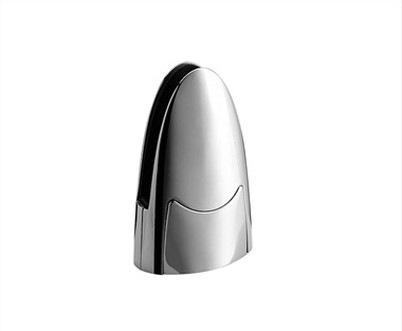
● Base Shoes: U-shaped profiles made of aluminum or stainless steel that hold the glass panels at their base. These can be surface-mounted or recessed into the floor.
● Spigots: Cylindrical mounts that clamp the glass at specific points, offering a minimalist appearance.
● Channel Systems: Tracks or channels that run along the floor or sides, securely holding the glass panels.
● Adapters and Clips: Additional supports that provide extra stability to the glass panels.
3.4 Handrails
Handrails can be added to frameless glass balustrades for additional safety and compliance with building codes. They can be top-mounted or offset to the side and made from various materials, including stainless steel, aluminum, or wood.
4. Applications in Modern Architecture
4.1 Residential Applications
Frameless glass balustrades are popular in residential settings for their aesthetic appeal and functional benefits.
4.1.1 Balconies and Terraces
In homes, frameless glass balustrades are often used for balconies and terraces. They provide safety while allowing homeowners to enjoy unobstructed views of their surroundings. This is particularly beneficial in properties with scenic views, such as coastal homes or houses overlooking a landscape.
4.1.2 Staircases
Using frameless glass balustrades for staircases enhances the openness and light within a home. The transparency of the glass allows light to pass through, making staircases feel less enclosed and more integrated with the rest of the living space.
4.1.3 Pool Fences
Frameless glass balustrades are also an excellent choice for pool fencing. They provide a safe barrier without obstructing the view of the pool area, creating a seamless visual connection between the pool and its surroundings.
4.2 Commercial Applications
In commercial buildings, frameless glass balustrades offer a professional and contemporary look.
4.2.1 Office Buildings
In office buildings, these systems are used for staircases, atriums, and balconies to create an open and collaborative atmosphere. The sleek design aligns with modern corporate aesthetics, promoting transparency and openness.
4.2.2 Retail Spaces
In retail environments, frameless glass balustrades help create an inviting and open shopping experience. They allow for clear sightlines across the store, enhancing visibility and encouraging customer movement.
4.2.3 Hotels and Restaurants
Hotels and restaurants use frameless glass balustrades to create luxurious and visually appealing spaces. Whether it's a rooftop bar or a hotel balcony, these systems enhance the guest experience by providing safety without compromising views.
4.3 Public Spaces
Frameless glass balustrades are also used in public buildings to provide safety and enhance the architectural design.
4.3.1 Airports
In airports, frameless glass balustrades are used in terminal areas, observation decks, and walkways. They offer clear views and contribute to a spacious and open environment, making the travel experience more pleasant.
4.3.2 Museums and Galleries
In museums and galleries, frameless glass balustrades ensure visitor safety while allowing unobstructed views of exhibits. They blend seamlessly with the minimalist design often favored in these spaces, ensuring that the focus remains on the artworks and displays.
4.3.3 Educational Institutions
In educational settings, frameless glass balustrades are used in staircases, libraries, and atriums to create a safe and open environment. The transparency of the glass fosters a sense of openness and connectivity, which can enhance the learning experience.
5. Benefits of Frameless Glass Balustrade Systems
5.1 Aesthetic Benefits
5.1.1 Modern and Elegant Appearance
The sleek and modern appearance of frameless glass balustrades enhances the overall aesthetic of any building. Their minimalist design and clean lines contribute to a contemporary look that complements modern architectural styles.
5.1.2 Unobstructed Views
One of the most significant benefits of frameless glass balustrades is the unobstructed view they provide. This is particularly valuable in locations with scenic vistas, as it allows occupants to enjoy the surroundings without visual barriers.
5.1.3 Enhanced Natural Light
Glass balustrades allow natural light to pass through, brightening up spaces and creating a more inviting environment. This can reduce the need for artificial lighting and make interior spaces feel larger and more open.
5.2 Functional Benefits
5.2.1 Safety and Security
Frameless glass balustrades are designed to meet stringent safety standards, ensuring that they provide a secure barrier. The use of tempered or laminated glass adds an extra layer of safety, making them suitable for various applications.
5.2.2 Durability and Longevity
High-quality glass and robust mounting systems ensure that frameless glass balustrades are durable and long-lasting. They are resistant to weather, corrosion, and wear, making them a reliable choice for both indoor and outdoor applications.
5.2.3 Easy Maintenance
Glass is easy to clean and maintain. Regular cleaning with a glass cleaner and a soft cloth is usually sufficient to keep the panels looking pristine. Unlike wood or metal, glass does not require painting, staining, or protective coatings.
5.3 Environmental Benefits
5.3.1 Sustainable Materials
Many frameless glass balustrade systems use sustainable materials, such as recycled glass and eco-friendly mounting systems. This contributes to a lower environmental footprint compared to traditional balustrade materials.
5.3.2 Energy Efficiency
By maximizing natural light, frameless glass balustrades contribute to energy efficiency. Reducing the reliance on artificial lighting can lower energy consumption and utility bills, making these systems an eco-friendly choice.
5.4 Economic Benefits
5.4.1 Increased Property Value
The modern and elegant appearance of frameless glass balustrades can significantly enhance the aesthetic appeal and functionality of a property. This can make a property more attractive to potential buyers or tenants, potentially increasing its market value.
5.4.2 Long-Term Savings
The durability and low maintenance requirements of frameless glass balustrades can result in long-term savings. Reduced need for repairs, replacements, and upkeep can make these systems a cost-effective choice over time.
6. Installation and Maintenance
6.1 Installation Process
6.1.1 Site Preparation
Proper site preparation is crucial for the successful installation of frameless glass balustrades. This includes ensuring that the mounting surfaces are level and structurally sound, as well as verifying that all measurements are accurate.
6.1.2 Mounting System Installation
The mounting system, whether it's base shoes, spigots, or channels, must be securely installed according to the manufacturer's specifications. This step is critical to ensuring the stability and safety of the glass panels.
6.1.3 Glass Panel Installation
The glass panels are then carefully positioned and secured in place. This requires precision and attention to detail to ensure that the panels are properly aligned and that all mounting components are correctly tightened.
6.1.4 Final Adjustments
After the glass panels are installed, final adjustments are made to ensure that the system is secure and that all components are properly aligned. This includes checking the level of the panels and making any necessary adjustments to the mounting system.
6.2 Maintenance
6.2.1 Regular Cleaning
Regular cleaning is essential to keep frameless glass balustrades looking their best. A glass cleaner and a soft cloth are usually sufficient to remove smudges, dirt, and other contaminants.
6.2.2 Inspection
Regular inspections should be conducted to check for any signs of damage or wear in the glass panels, mounting hardware, and seals. Addressing any issues promptly is crucial to ensuring the integrity of the balustrade system.
6.2.3 Repairs
If any damage occurs, such as cracks or chips in the glass, it is important to replace the affected panels immediately. Professional repair services should be used to ensure proper installation and safety.
7. Future Trends and Innovations
7.1 Smart Glass Technology
The integration of smart glass technology allows the glass panels to change opacity with the touch of a button, providing privacy when needed without compromising the open feel of the space. This innovative solution adds a futuristic element to the design.
7.2 LED Lighting
Incorporating LED lighting into the base shoes or handrails of frameless glass balustrades can enhance their visual appeal and improve safety in low-light conditions. LED lighting can be used to create dramatic effects or provide subtle illumination.
7.3 Sustainable Design
There is a growing trend towards sustainable design in architecture, and frameless glass balustrades are no exception. Using eco-friendly materials and manufacturing processes, along with energy-efficient features, aligns with this trend and contributes to a greener built environment.
7.4 Creative Applications
Architects and designers are continually finding creative applications for frameless glass balustrades, pushing the boundaries of traditional design. This includes using glass panels in unique configurations, incorporating artistic elements, and exploring new ways to enhance the user experience.
8. Case Studies and Real-World Examples
8.1 Residential Case Study
In a modern coastal home, frameless glass balustrades were used for the balconies and terraces. The unobstructed ocean views and enhanced natural light created a seamless indoor-outdoor living experience. The use of laminated glass ensured safety and durability, even in the harsh marine environment.
8.2 Commercial Case Study
A corporate office building utilized frameless glass balustrades for its central atrium and staircases. The transparency of the glass maintained an open and collaborative atmosphere, while the sleek design aligned with the company's contemporary brand image. The addition of LED lighting in the handrails provided both aesthetic appeal and functional lighting during evening hours.
8.3 Public Space Case Study
In a major airport, frameless glass balustrades were installed in the terminal areas and observation decks. These balustrades offered clear views of the runways and enhanced the spaciousness of the terminal. The tempered glass panels provided the necessary safety for high foot traffic, and the design facilitated easy maintenance and cleaning.
Frameless glass balustrade systems are a quintessential element of modern architecture, offering numerous benefits that enhance both aesthetics and functionality. Their sleek, minimalist design aligns with contemporary architectural trends, while their transparency and unobstructed views create open, light-filled spaces. From residential balconies to commercial atriums and public observation decks, these systems provide a versatile and elegant solution for a wide range of applications.
The use of high-quality materials, adherence to safety standards, and easy maintenance make frameless glass balustrades a durable and reliable choice. Additionally, their environmental benefits, including the use of sustainable materials and energy efficiency, contribute to a greener built environment.
As architectural trends continue to evolve, frameless glass balustrade systems will remain at the forefront of innovative design. With ongoing advancements in technology and materials, these systems will offer even more options for creating beautiful, safe, and functional spaces.
Incorporating frameless glass balustrades into your design can elevate the overall aesthetic, improve functionality, and provide a safe and durable solution that stands the test of time. Whether you're looking to enhance the visual appeal of your home, create an open and collaborative office environment, or design a welcoming public space, frameless glass balustrades offer a versatile and elegant solution that complements modern architecture.
If you are looking for a frameless glass railing, Please do not hesitate to contact us! A great discount for the first 10 people! Email: Zoey@fs-yongsheng.com