Frameless Glass Railing Systems: An Overview
Leave a message

Frameless Glass Railing Systems: A Closer Look
You can't help but notice the sleek, modern touch that frameless glass railing systems bring to a space. They're everywhere in contemporary architecture and design, and for good reason. These systems deliver a clean, unobtrusive look that lets the eye travel freely, maximizing natural light and those gorgeous views you want to showcase. And the best part? They work beautifully in all kinds of settings, from homes and offices to public spaces.
What Makes Up a Frameless Glass Railing System?
Let's break down the key components:
1, Glass Panels:
These are the stars of the show. Made from tempered or laminated glass, they provide the safety and durability you need.
2, Mounting Systems:
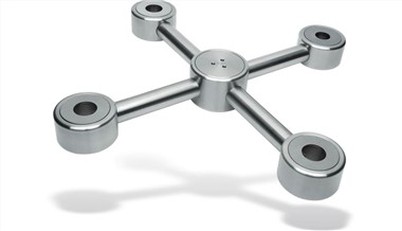
This is how you secure your glass panels. You've got options like base shoes, spigots, standoff pins, and clamped systems.
3, Handrails:
They're not always necessary, but they do offer extra safety and support. Stainless steel, aluminum, and wood are popular choices.
4, Sealants and Gaskets:
These little guys cushion the glass panels within the mounting system, preventing them from shifting around and reducing noise.
The Advantages of Going Frameless
So why are frameless glass railing systems so popular? Here are a few reasons:
1, Unobstructed Views:
The frameless design means your views remain clear and uninterrupted – perfect for those scenic locations.
2, Modern Aesthetic:
There's no denying the sleek, contemporary look these systems deliver. They elevate the architectural appeal of any space.
3, Natural Light:
By maximizing light penetration, glass railings help brighten up interiors and cut down on the need for artificial lighting.
4, Durability and Safety:
With strong, tempered, or laminated glass, these systems are built to last and often exceed safety standards.
5, Low Maintenance:
Glass railings are a breeze to clean and maintain, saving you hassle in the long run.
Your Options: Types of Frameless Glass Railing Systems
You've got a few different types to choose from, each with their own benefits and considerations:
1, Base Shoe System:
Glass panels get inserted into a metal shoe or channel mounted to the floor. Provides strong support and a clean look, but requires precise installation.
2, Spigot System:
Glass panels are held in place by metal spigots or posts that clamp the bottom edge. Easy to install and adjust, but best for applications where floor space is limited.
3, Standoff Pin System:
Glass panels are mounted using metal pins that hold the glass off the surface, creating a floating effect. Visually striking, but requires accurate drilling and alignment.
4, Clamped System:
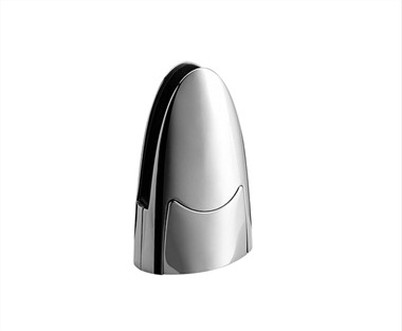
Glass panels are secured using metal clamps attached to posts or walls. Flexible and adaptable, but clamps must be robust for safety and stability.
Installing Your Frameless Glass Railing System
Here's a general overview of the installation process:
1, Planning and Design:
Measure the installation area accurately, choose the right glass and mounting system, and ensure you're meeting local building codes and safety regulations.
2, Preparation:
Gather all your materials and tools, prepare the installation surface (it needs to be clean, level, and structurally sound), and don't forget your safety gear.
3, Mounting the System:
This varies by the type of system you're using, but always make sure everything is level and securely fastened.
4, Securing and Finishing:
Tighten all fasteners, install handrails if required, clean the glass panels, and inspect the installation for any issues or adjustments needed.
Keeping Your Frameless Glass Railing System in Top Shape
Maintenance is key to getting the most out of your system:
1, Regular Cleaning:
Use non-abrasive cleaners and soft cloths to clean the glass panels, and the right cleaners to protect metal components from corrosion.
2, Inspection and Adjustment:
Periodically inspect the mounting systems and fasteners for signs of wear or loosening, tighten any loose components, and replace any damaged parts promptly.
3, Preventive Measures:
Apply protective coatings to outdoor glass panels, and use cushions or bumpers to prevent damage from impacts and vibrations.
Frameless glass railing systems really do offer the best of both worlds – they're safe, they're beautiful, and they're functional. By understanding the components, benefits, types, and installation processes, you can find a system that enhances the beauty and value of your space for years to come.